Outdoor lighting installation Nashville ensures a polished result
Illuminate Your Residential Or Commercial Property: The Best Practices for Landscape Lighting Layout
Effective landscape Lighting design plays an essential duty in improving a home's aesthetic and security. By understanding the function behind each Lighting selection, one can produce an unified atmosphere. Picking the best components and planning a thoughtful design are important actions. However, the secret to truly changing a room depends on understanding which includes to highlight and how to do so. What approaches can one employ to accomplish a practical yet magnificent landscape?
Understand the Function of Landscape Lighting
Landscape Lighting offers a twin objective: enhancing security and boosting visual allure. Properly developed Lighting illuminates steps, driveways, and paths, minimizing the risk of crashes during nighttime. By highlighting these vital locations, home owners can make sure that visitors browse their residential or commercial property safely. Landscape Lighting can prevent possible trespassers by illuminating dark corners and entrance points, thereby improving security. - outdoor lighting installation Nashville
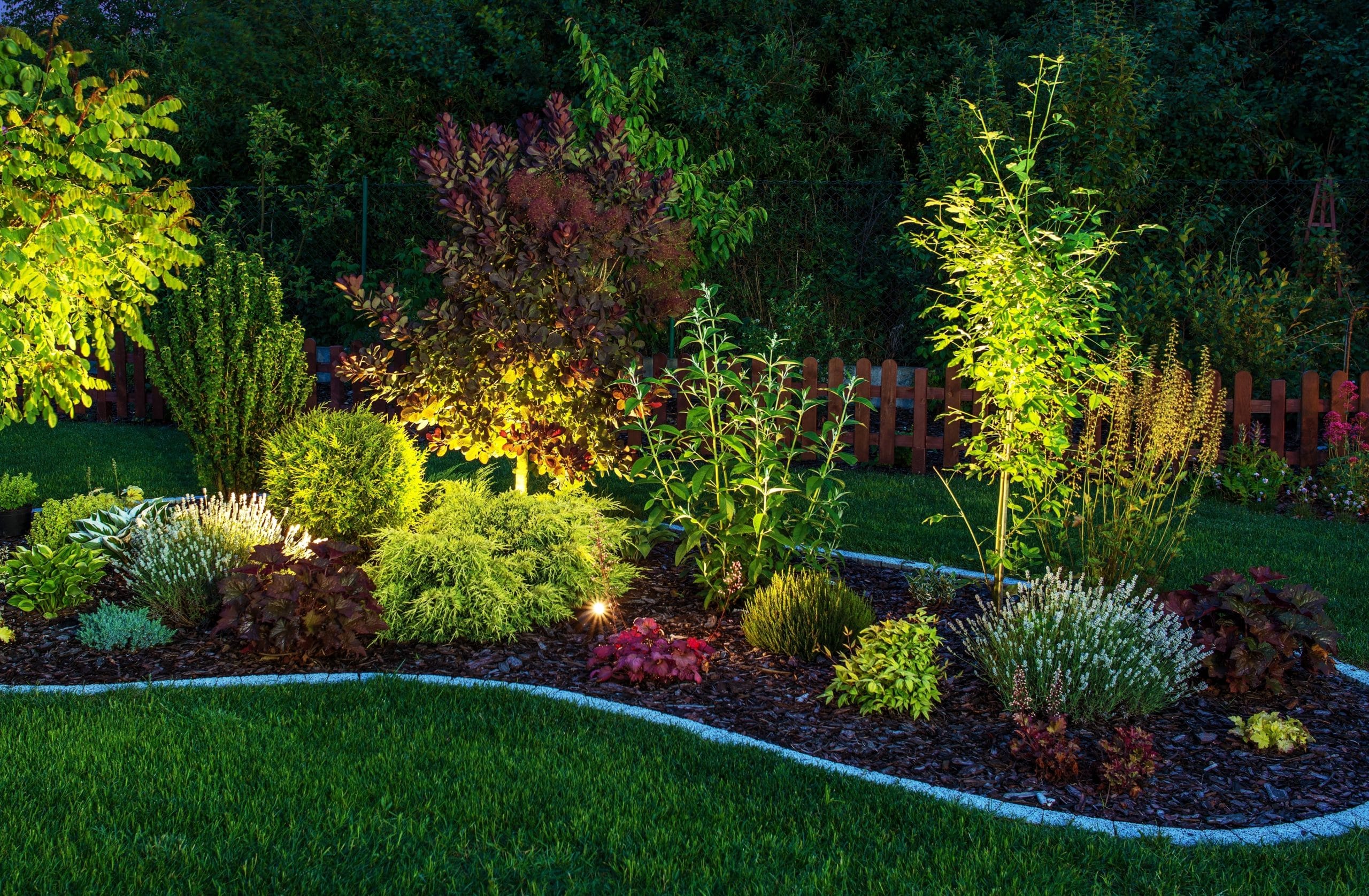
In addition to safety and security, landscape Lighting plays a considerable function in showcasing the beauty of a home. Thoughtfully positioned lights can emphasize architectural functions, vegetation, and water elements, developing an exciting ambiance after sundown. Various Lighting methods, such as uplighting and downlighting, can transform an ordinary outside room into an enchanting sanctuary. Eventually, understanding the function of landscape Lighting allows home owners to produce an unified balance in between security and visual appeals, boosting both the performance and aesthetic appeal of their outside environments.
Select the Right Fixtures
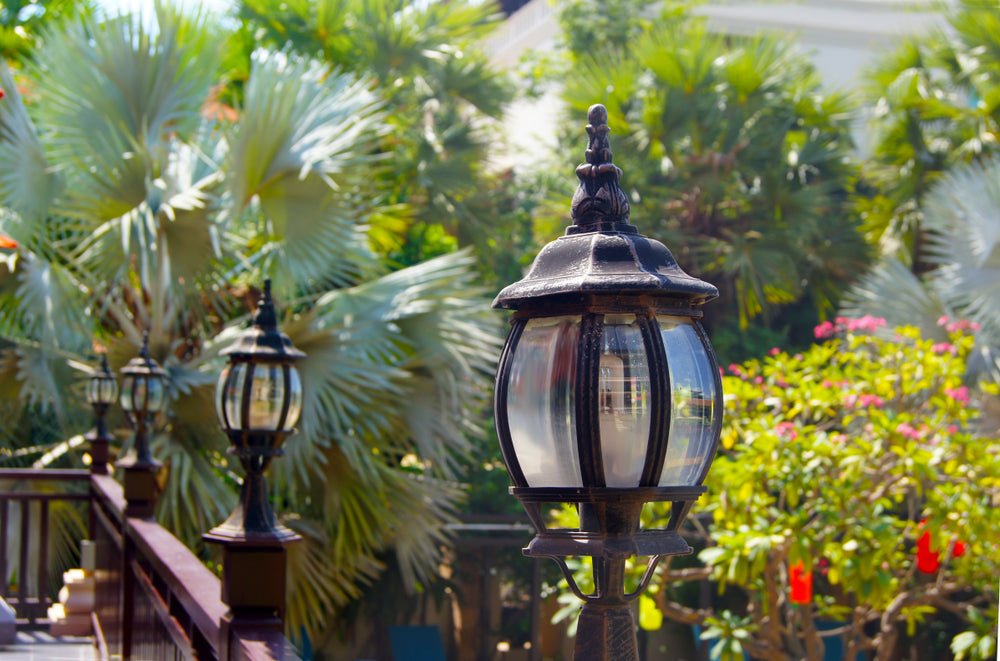
Picking the proper fixtures is vital for achieving both performance and visual charm in landscape Lighting layout. The option of components should line up with the details needs of the room, thinking about variables such as illumination, durability, and style. Different kinds of components, including path lights, spotlights, and wall sconces, offer numerous purposes, from enlightening pathways to highlighting architectural functions.
Materials also play an important duty; choices like copper and stainless steel offer long life and resistance to weather, making sure the fixtures continue to be aesthetically appealing in time. Furthermore, making use of energy-efficient LED lights can boost efficiency while decreasing power expenses.
Ultimately, picking the best components includes balancing aesthetic effect with practical factors to consider, thus developing a harmonious setting that enhances the home's overall appeal and safety and security - residential landscape lighting. This thoughtful method prepares for a successful landscape Lighting design that meets both visual and useful objectives
Plan Your Lighting Layout
A well-thought-out Lighting design can considerably boost the functionality and appeal of exterior spaces. To create an efficient design, it is necessary to examine the property's distinct functions and recognize how they can be highlighted with Lighting. Home owners should start by mapping out a representation of the landscape, noting essential areas such as outdoor patios, gardens, and sidewalks. This visual representation assists in arranging the design and guaranteeing ample protection.
Next, they need to take into consideration the objective of each Lighting component, whether it is for security, atmosphere, or appearances. Integrating different kinds of Lighting, such as path lights, limelights, and wall surface sconces, can produce a cohesive look while serving specific features. Preparation the placement of fixtures is crucial; they should be placed to prevent glare and create an inviting environment. Lastly, evaluating the layout prior to setup enables changes, making sure the outcome is both useful and visually appealing.
Concentrate On Trick Features
Highlighting vital functions in the landscape can change an outside room right into a captivating atmosphere. Strategic Lighting can accentuate details elements such as trees, sculptures, or building details of a home, producing a centerpiece that improves the total aesthetic. By utilizing numerous sorts of components-- such as spotlights, uplights, or path lights-- developers can effectively showcase these attributes while adding depth and measurement to the environments.
In addition to improving appeal, highlighting key functions additionally increases security and exposure, specifically in walkways and entry factors. architectural lighting. This approach not only enriches the landscape however likewise invites guests to explore the residential property better. It is important to select the ideal strength and color temperature of light, guaranteeing that the features are illuminated without overwhelming the senses. By attentively intending which components to highlight, landscape Lighting can develop a harmonious equilibrium in between capability and imaginative expression
Consider the Angle of Light
Understanding the angle of light is crucial in landscape Lighting design. The angle at which light is cast can substantially affect the assumption of an area. By lighting up features from various angles, designers can create depth and appearance, improving the general aesthetic. A reduced angle might stress the elevation of trees or architectural components, casting lengthy shadows that include dramatization. Alternatively, a high angle can supply uniform illumination, lowering extreme contrasts and fostering a softer setting.
The angle of light impacts exposure and safety. Improperly angled lights can develop glare or obscure crucial paths and barriers. It is crucial, as a result, to evaluate each area's one-of-a-kind attributes, consisting of the placement of components and the surrounding atmosphere. Correct consideration of light angles not just highlights prime focus additional resources however also ensures performance and safety, permitting house owners to appreciate their outdoor spaces both day and night.
Usage Layers of Lighting
Incorporating several layers of Lighting can significantly improve the total result of a landscape design. By integrating ambient, job, and accent Lighting, homeowner can create a dynamic and inviting atmosphere. Ambient Lighting gives basic lighting, guaranteeing security and presence throughout the entire area. Job Lighting concentrates on specific locations, such as pathways or seating, permitting practical usage after dark. Accent Lighting highlights building attributes, trees, or yard elements, adding depth and interest to the landscape.
Choose Energy-Efficient Solutions
In landscape Lighting style, going with energy-efficient solutions can substantially reduce electrical power expenses and ecological influence. LED Lighting supplies long-lasting performance and reduced power intake contrasted to traditional bulbs. Additionally, solar-powered options go to this web-site offer a sustainable alternative, harnessing all-natural energy to light up outside rooms efficiently.
LED Lighting Advantages
As property owners progressively focus on sustainability, LED Lighting arises as a top option for landscape Lighting style due to its energy performance and lengthy life-span. Contrasted to standard incandescent bulbs, LEDs consume up to 80% much less energy, considerably lowering electrical power expenses. Their sturdiness adds to their appeal; with lifespans balancing 25,000 hours or more, they require much less regular replacements, further minimizing waste. LEDs additionally generate less warmth, lowering the danger of burns and fire hazards in exterior settings. Furthermore, they are offered in a variety of shades and brightness degrees, offering flexibility in layout. This versatility permits property owners to create tailored lighting schemes that boost the charm and safety and security of their landscapes, making LED lighting a clever investment for modern-day outside rooms.
Solar-Powered Options
While house owners look for sustainable services for their outside rooms, solar-powered landscape Lighting sticks out as an energy-efficient alternative. These systems harness sunlight throughout the day, converting it into power for nighttime lighting, consequently reducing electrical energy prices. Solar lights are easy to set up, requiring no wiring or electric job, making them a suitable choice for DIY lovers. Readily available in various designs, they can enhance the aesthetic charm of paths, patio areas, and gardens. Furthermore, improvements in solar modern technology have actually improved illumination and longevity, guaranteeing trustworthy efficiency. Correct positioning is vital; positioning lights in areas with sufficient sunlight exposure optimizes their performance. On the whole, solar-powered alternatives provide a green Lighting remedy that enhances modern landscape design styles.
Preserve Your Landscape Lighting
Routine upkeep of landscape Lighting is crucial for making certain both functionality and visual allure. House owners ought to routinely examine fixtures for particles, corrosion, and dust, as these can lessen light outcome and efficiency. Cleansing lenses and replacing burnt-out bulbs promptly can boost illumination and lengthen the life expectancy of the system. Additionally, examining wiring and links is vital to avoid electric issues that might occur with time.
Seasonal modifications, such as rearranging fixtures or readjusting timers, can enhance Lighting results throughout the year. Trimming bordering vegetation assists preserve clear sightlines, guaranteeing that light reaches planned areas.
Lastly, when making use of solar-powered options, it is vital to keep track of battery efficiency and solar panel positioning to ensure maximum direct exposure to sunshine. Routine upkeep not only protects the Lighting system's capability but also improves the general elegance of the landscape, developing a welcoming ambience visit the website for citizens and guests alike.
Often Asked Concerns
What Are the Ideal Kinds of Light Bulbs for Landscape Lighting?
LED light bulbs are often considered as the most effective option for landscape Lighting because of their power performance, long life, and reduced warmth exhaust. In addition, they use a series of shade temperature levels to enhance outdoor looks properly.
Just How Can I Make Certain Safety And Security With My Landscape Lighting?
To make certain safety with landscape Lighting, one should use weather-resistant fixtures, protected wiring to stop tripping dangers, use low-voltage systems, and purposefully setting lights to illuminate paths while minimizing glow and dark areas.
What Is the Typical Cost of Putting Up Landscape Lighting?
Just how Often Should I Change My Landscape Lighting Fixtures?
Landscape Lighting components must normally be changed every five to ten years, depending upon elements like material quality, direct exposure to elements, and usage. Normal upkeep can prolong their life expectancy, guaranteeing optimal performance and visual appeals.
Can I Install Landscape Lighting Myself, or Should I Hire a Professional?
People can mount landscape Lighting themselves, supplied they possess basic electric understanding and skills. However, employing a professional ensures safety and security, adherence to regional codes, and optimal layout, inevitably improving the building's visual appeal and capability.
Efficient landscape Lighting style plays a vital function in improving a residential property's visual and security. Landscape Lighting serves a dual function: improving safety and elevating visual allure. Comprehending the angle of light is important in landscape Lighting style. Incorporating numerous layers of Lighting can dramatically boost the total impact of a landscape design. As homeowners significantly focus on sustainability, LED Lighting emerges as a leading option for landscape Lighting design due to its energy effectiveness and lengthy life-span.